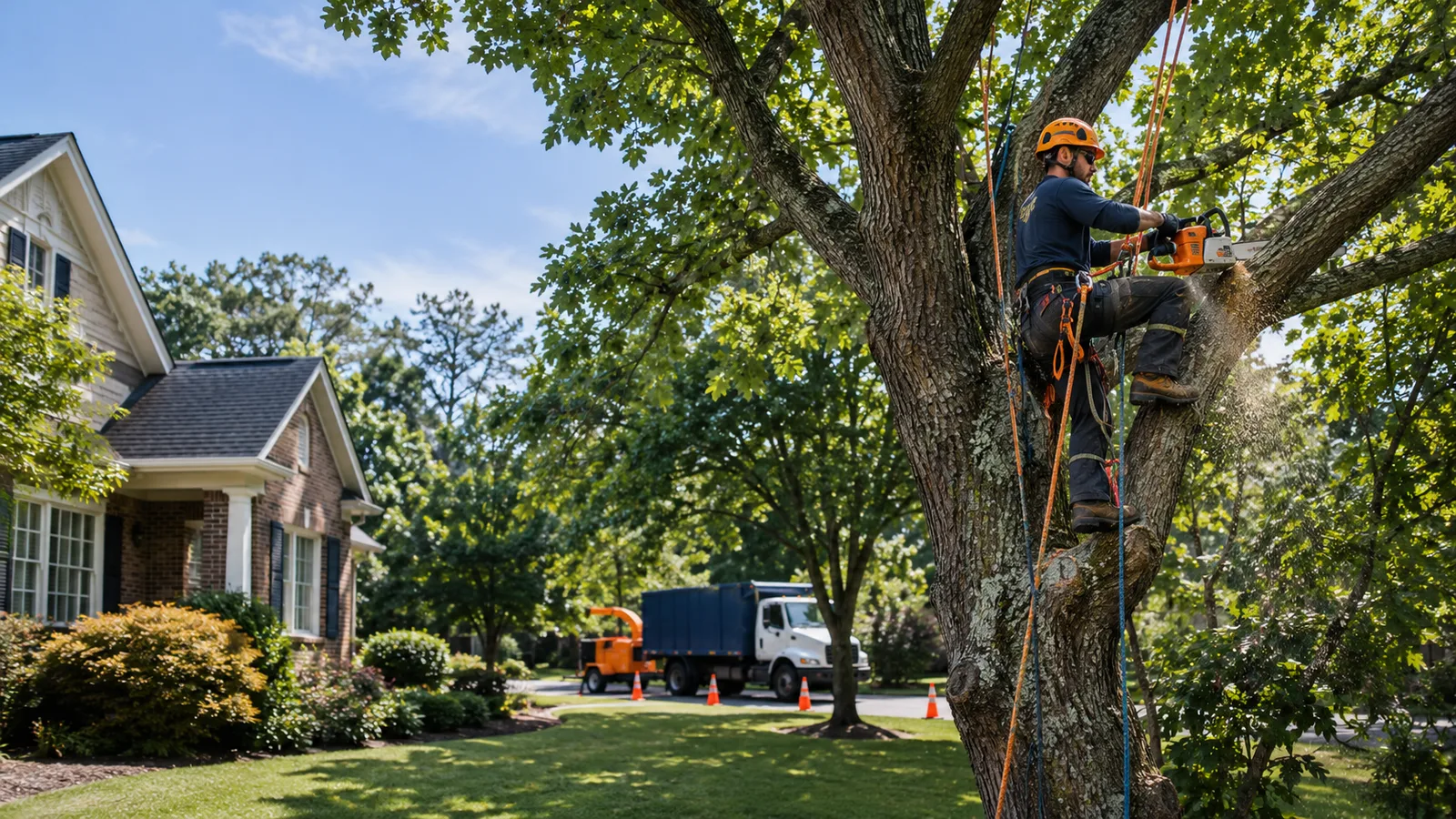
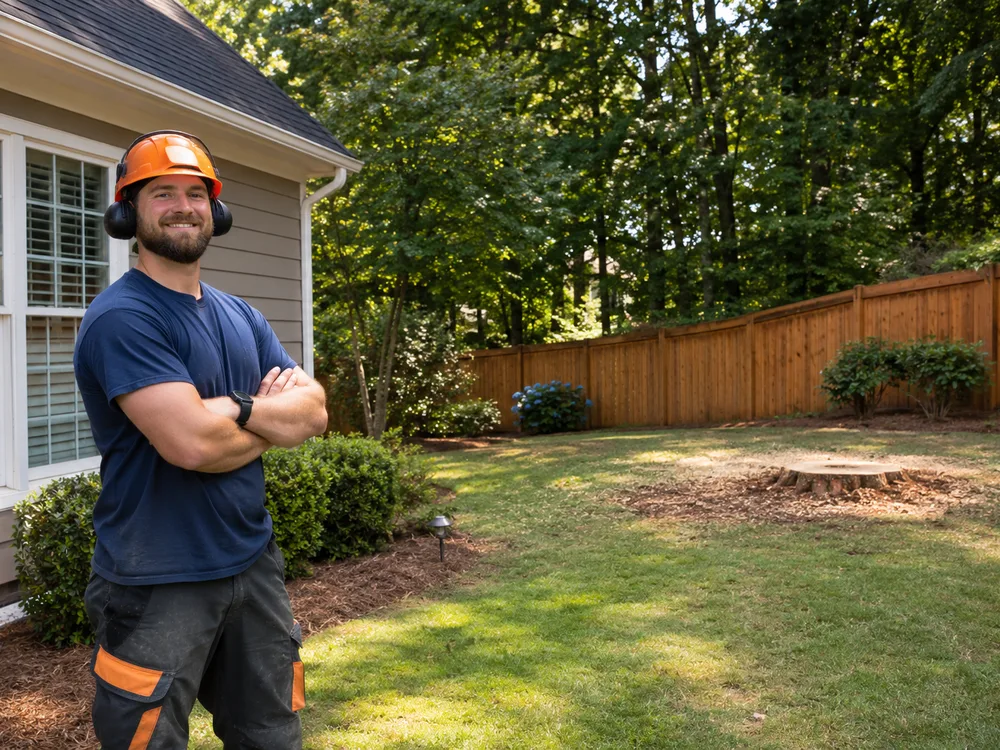
A Roswell arborist can assess tree condition, recommend pruning, plan removal, address storm-damaged limbs, and discuss stump work. The right approach depends on the species, trunk condition, canopy, root zone, nearby structures, and the reason for the work. Our call center takes caller information so they can be contacted by local tree companies in the Roswell area that serve residential and commercial properties.
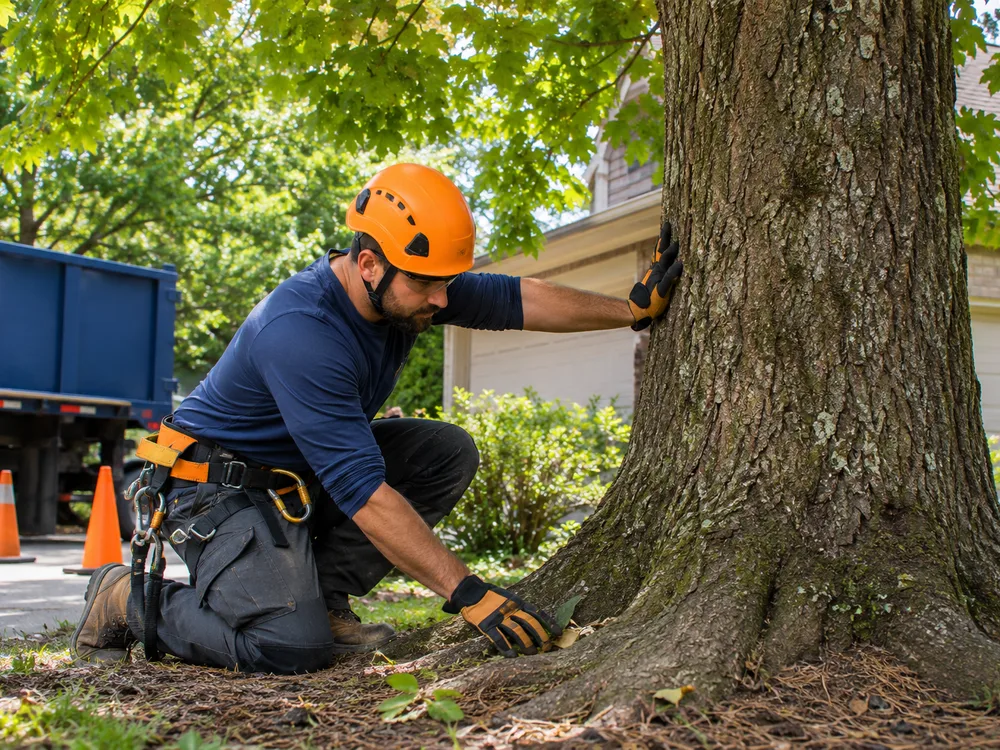
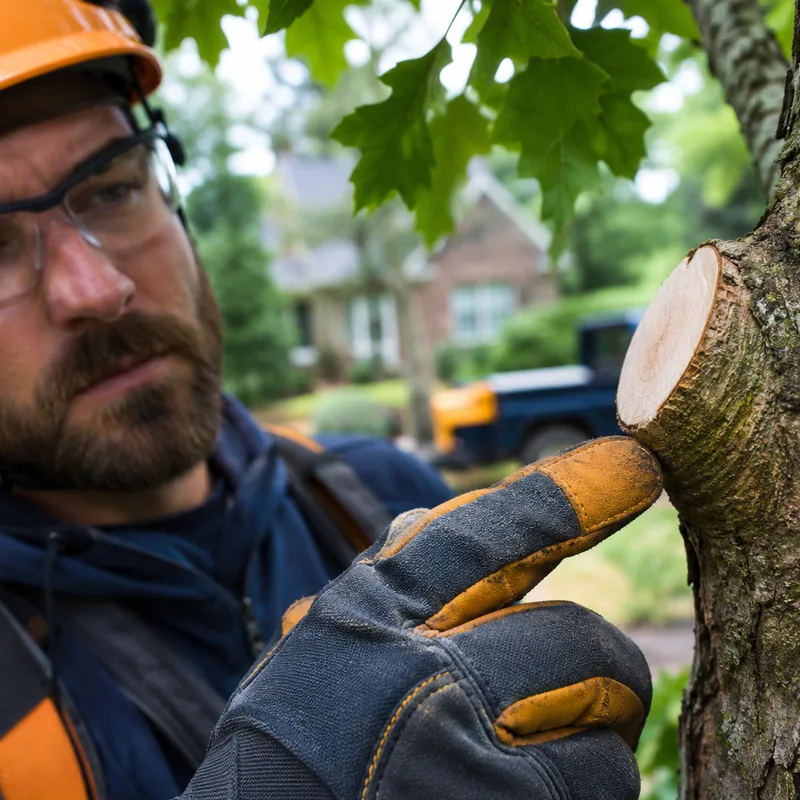
A contractor should inspect the tree before recommending removal. The inspection may cover deadwood, weak branch unions, cavities, fungal growth, trunk cracks, leaning, exposed roots, soil disturbance, and changes in the canopy. Contractors also look for targets beneath the tree, such as a roof, driveway, fence, utility line, play area, or neighboring property. A defect matters more when people or structures are within the potential fall zone.
Roswell's mature trees often grow close to homes, streets, and neighboring lots. In established areas such as Historic Roswell, limited access and nearby structures can affect rigging and debris removal. Properties around Horseshoe Bend may have larger wooded lots where access routes and protection of surrounding trees deserve attention. In East Roswell, contractors may need to plan around backyard fences, slopes, and closely spaced homes. These conditions determine whether limbs can be lowered intact, whether a tree must be dismantled in sections, and where equipment can safely operate.
Before work begins, the property owner should ask who is responsible for confirming the property line, locating private features such as irrigation or septic components, and checking whether local approval applies. The City of Roswell may regulate work involving protected trees or public rights-of-way. Trees near overhead conductors require added caution and coordination with the utility rather than ordinary tree work around energized lines.