Tree Removal
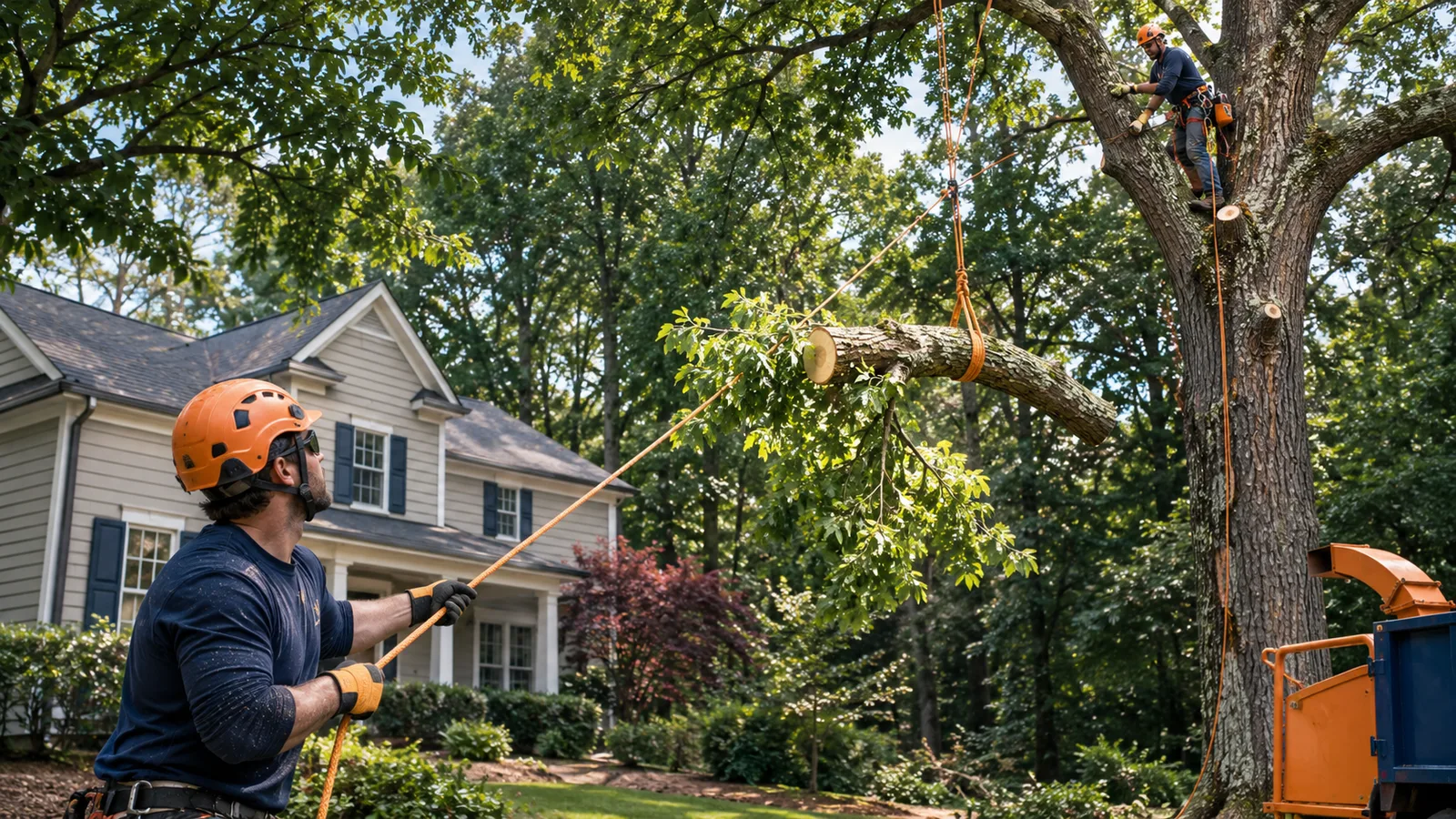
Removal may be recommended when a tree is dead, structurally unstable, badly damaged, or conflicts with planned property work. In confined yards, the tree is usually dismantled in controlled sections rather than felled in one piece.
Serving Roswell, Georgia & surrounding areas
Calls answered around the clock
Tree service in Roswell, Georgia
One call reaches a call center that takes your information so local tree contractor who serves Roswell and handles the work you need.
A Roswell tree service contractor can assess damaged trees, remove hazardous limbs, prune for clearance, grind stumps, and clean up debris after the work. The right approach depends on the tree's species, condition, location, and proximity to the house, driveway, fence, utility lines, and neighboring property.
Roswell's established neighborhoods often have mature trees close to homes and streets. In Historic Roswell, compact lots and older properties can leave limited room for lowering branches. Larger residential lots around Horseshoe Bend may require planning for equipment access and debris removal. Near the Chattahoochee River corridor, sloping ground can affect how a contractor positions equipment and controls cut sections. These conditions make an on-site assessment important before pruning or removal begins.
Our call center takes caller information so they can be contacted by local tree contractors across Roswell, GA who serve the area. You speak with the contractor directly about the tree, access to the yard, visible damage, cleanup, and the quote. The contractor explains the available approach, and you decide whether to proceed.
Common signs that deserve attention include hanging limbs, fresh trunk cracks, exposed roots after soil movement, dead upper branches, cavities, fungal growth near the base, and a tree that has developed a new lean. These signs do not always mean removal is necessary. A contractor may recommend selective pruning, crown reduction, cabling, monitoring, or removal after examining the whole tree.
Removal may be recommended when a tree is dead, structurally unstable, badly damaged, or conflicts with planned property work. In confined yards, the tree is usually dismantled in controlled sections rather than felled in one piece.
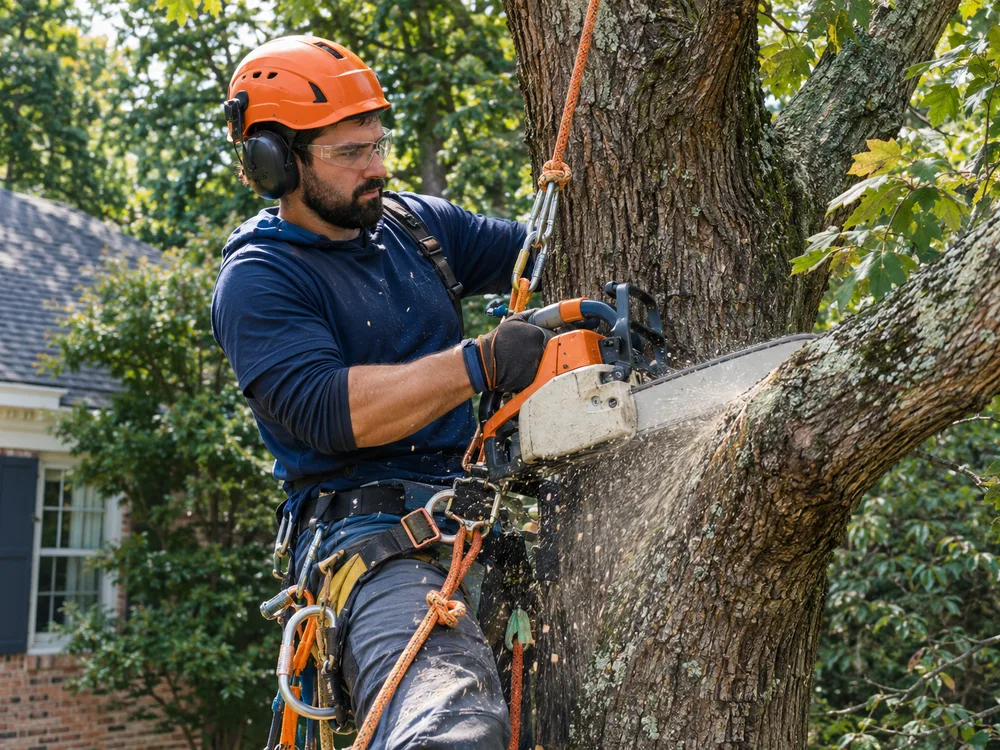
Pruning can remove deadwood, improve clearance around a roof or driveway, and reduce weight on overextended limbs. Proper cuts are made outside the branch collar rather than flush against the trunk.
Split limbs, broken tops, and partially uprooted trees require careful assessment because damaged wood can shift without warning. Contractors plan the cutting order and establish a controlled work zone before removing loaded branches.
A grinder reduces the stump and major surface roots below the surrounding grade. The contractor should explain the grinding depth, how chips will be handled, and whether underground utilities or irrigation affect access.
A contractor checks the trunk, root flare, crown, branch unions, decay indicators, and nearby targets such as a house or play area. The inspection helps distinguish manageable defects from conditions that may call for removal.
Cleanup terms vary by job. Ask whether the quote includes hauling logs and branches, chipping brush, raking the work area, and handling stump grindings.
An affiliate call-center representative takes your information so a local tree contractor serving that area can contact you. There is no form or email wait.
Talk about the tree's location, visible damage, access points, nearby structures, and the result you want. The contractor can determine whether an on-site look is needed before quoting the work.
The contractor should identify which trees or limbs are included, the planned method, equipment access, debris handling, stump work, and any property preparation expected from you.
The quote comes from the contractor. You can ask questions, clarify exclusions, and decide whether the proposed work fits your needs.
Skip the search through multiple tree companies. One call connects you with a local contractor who handles tree removal, pruning, stump grinding, and related property cleanup.
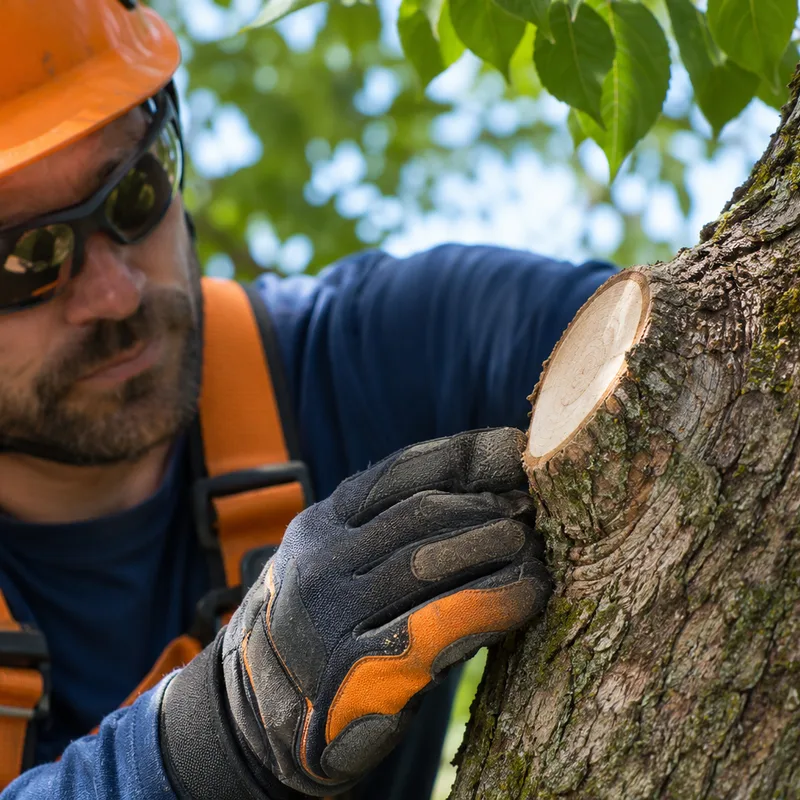
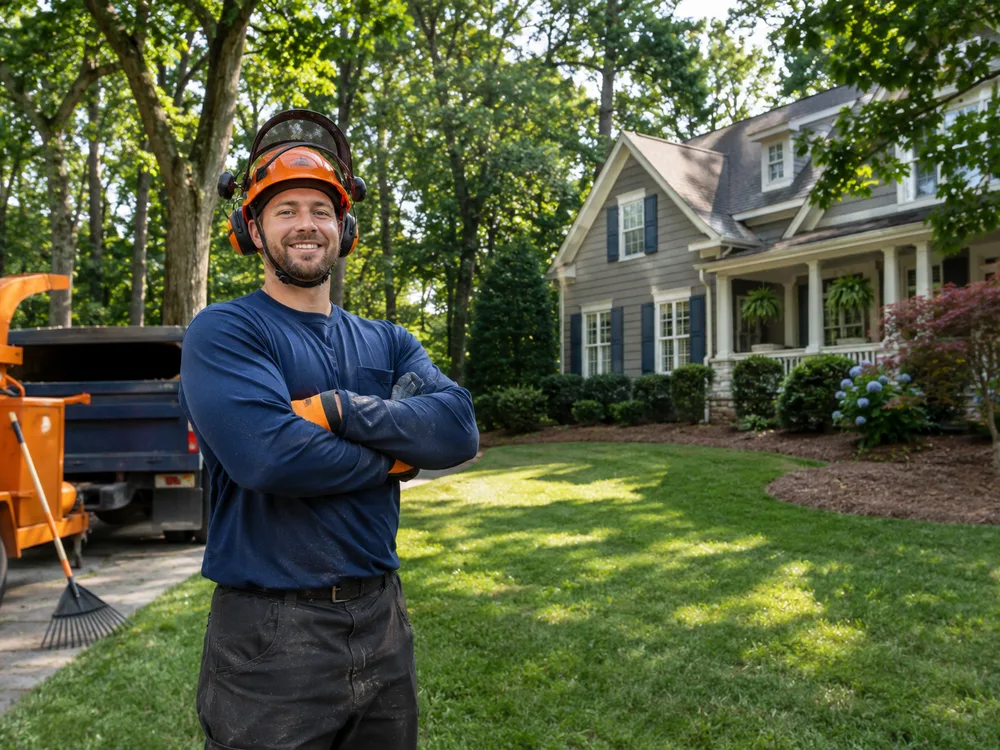
The decision depends on structural condition, tree health, location, and the consequences of failure. A contractor should examine the root flare, trunk defects, major branch unions, crown dieback, lean, and targets within reach of the tree before recommending an option. Pruning may manage dead or overextended limbs, while advanced decay or severe instability may make removal the practical choice.
The quote should define the trees and limbs covered, the work method, debris handling, stump work, and exclusions. Ask whether logs will be hauled away, brush will be chipped, grindings will remain, and lawn protection or access limitations affect the plan. Written scope details make competing proposals easier to compare.
Trees touching or close to overhead conductors require special coordination and should not be approached as routine pruning. Keep people and tools away from the area and contact the utility when a branch is on a line or the line is down. The tree contractor can explain which parts of the job fall within the proposed scope after utility hazards have been addressed.
Stump grinding is commonly treated as a separate scope item unless the contractor states that it is included. Confirm the intended grinding depth, whether visible surface roots are covered, what happens to the chips, and whether the resulting depression will be filled. Complete root removal is different from grinding and may disturb a much larger area.
Access depends on the tree's position and the equipment selected for the job. A contractor may need room for a chipper, loader, stump grinder, crane, or aerial lift, along with a path for carrying brush and wood. Gates, slopes, septic components, irrigation, soft ground, and overhead lines can change the work plan.
Branches over a roof should be assessed for clearance, deadwood, structural defects, and likely movement during wind. Overhanging branches do not automatically require aggressive cutting. Excessive crown removal and topping can create weak regrowth, so ask how the proposed cuts preserve the tree's structure while addressing roof clearance.
The homeowner and contractor should confirm applicable City of Roswell requirements before protected or regulated trees are removed. Rules may depend on property type, development activity, tree status, and location. Ask the contractor to state who will verify requirements and obtain any approval assigned to the job.
Call a call center, which will take your information so a contractor serving Roswell can contact you. Discuss the tree work, receive the contractor's quote, and decide what happens next.